
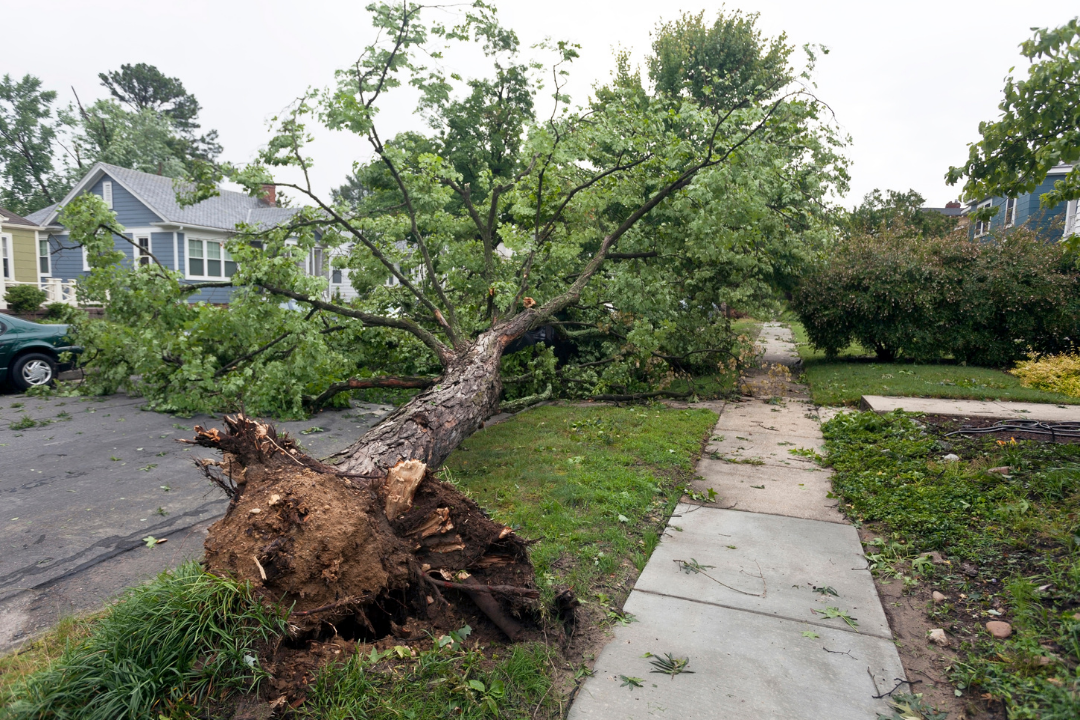
Tennessee might not be Kansas but it’s no stranger to wicked weather. Severe thunderstorms and straight-line winds move through the Mid-South several times a year, and Memphis rarely comes out unscathed. Downed limbs across yards. Flattened fence lines. Shingles and siding blown who knows how far. These are the scenes many Memphis property owners wake up to once the wind dies down. The fastest, safest way to clear storm wreckage of these magnitudes is one of two paths: roll off dumpster rentals sized to the mess, and/or a hauling crew that does the loading for you. This guide covers storm debris removal step by step, from the first safety check to the load that finally clears the property.
What Counts as Storm Debris
Storm debris isn’t one kind of debris; it’s several kinds of waste stacked on top of each other, and each type matters for how you clear it:
- Vegetative debris: Downed limbs, brush, uprooted shrubs, and full trees
- Construction debris: Torn roofing, siding, fencing, and anything ripped loose from a structure
- Bulky damaged items: Patio furniture, sheds, grills, or anything else the wind relocated
Every storm damage cleanup starts with sorting wreckage into these three buckets, because such a process decides what container size you need. Sorting debris this way is the first real step in storm debris removal, not an afterthought.
First Steps After the Storm
Before anyone touches a single limb or board:
- Watch for downed power lines resting in grass, brush piles, or standing water. Assume every line is live until the utility company confirms otherwise.
- Check for damaged structures: a leaning tree, a sagging roofline, or a fence post that’s ready to give way.
- Give standing water a wide berth. It can hide sharp debris, electrical hazards, or unstable ground.
Once the property is safe to walk, document everything with photos before you move a single piece of debris. Insurance adjusters work from what they can see, and a pile that’s already hauled away is a claim that’s harder to prove.
Clearing Downed Trees & Yard Debris
Tree debris removal and yard debris removal are two of the most common jobs in storm debris removal, and both go faster with a plan instead of a scattered attack on the whole yard at once:
- Stage limbs and brush away from structures, driveways, and power lines before cutting anything down further.
- Cut oversized limbs into manageable lengths so they load easily and don’t puncture a container liner.
- Keep yard waste separate from mixed piles when you can; clean, vegetative loads are simpler to haul and often cheaper to dispose of.
- Never stack brush or limbs against a fence, shed, or any structure while you’re staging for pickup.
Handling Structural & Construction Debris
Roofing, fencing, siding, and water-soaked drywall are different from yard waste. These materials are heavier, denser, and often mixed together after a storm tears through a structure. A load like this fills a container quickly, which is why heavier mixed loads call for roll off dumpster rentals built for construction weight rather than a standard trash bin. Sizing the container correctly saves a second trip and a second bill.
When to Rent a Roll-Off Dumpster vs. Booking Hauling
Most Memphis property owners land on one of two paths after a storm, and the right choice depends on time, labor, and how much debris is on the ground:
- Self-load a roll-off: Roll off dumpster rentals work well when you or your crew have the time to load debris over several days at your own pace, and you want the container onsite the whole time.
- Book a hauling crew: A hauling service fits better when the debris pile is large, the timeline is tight, or lifting heavy, water-logged material isn’t something you want to do yourself.
Wastebox offers roll-off containers and full hauling services across Greater Memphis, so either path leads to the same fast result: a property clean and clear of storm debris.
What You Can’t Put in a Storm Debris Dumpster
A responsible storm damage cleanup also means knowing what can’t go in the container, since a rejected load costs time and money:
- Appliances and electronics containing batteries or electrical components
- Oil-based paint, lead-based paint, solvents, pesticides, oil, gas, and other chemicals
- Tires, which carry their own disposal restrictions and typically need to go to a county collection site
Keeping these items separate from the start avoids a rejected load and a scramble to find a second disposal option after the fact.
Insurance, Responsibility & Timing
Debris on private property is generally the owner’s responsibility to clear, while debris in the public right-of-way often falls to the city or county to collect. Knowing which pile is whose responsibility matters for safety and your insurance claim.
Acting quickly serves two purposes: It clears hazards like exposed nails, unstable limbs, and blocked walkways before someone gets hurt, and it keeps your claim moving while debris sits. Photograph everything first, then move fast once you’ve got what the adjuster needs.
Get Your Property Cleared Fast: Storm Debris Removal in Memphis
Wastebox can quickly and efficiently deploy a roll-off or a hauling crew for storm damage cleanup across Greater Memphis, matching the container or crew to the size of the mess on the ground. Whether it’s a few downed limbs or a yard full of roofing and fencing, storm debris removal goes faster with the right equipment onsite from day one.
Ready for fast service? Contact Wastebox to get a roll-off or hauling crew headed your way.