
Introduction
As we strive for a greener planet, exploring alternative solutions for waste management becomes crucial, especially for those seeking immediate and effective methods to handle daily and industrial waste. Our world faces significant waste management challenges, exacerbated by increasing amounts of waste leading to environmental degradation. This guide is focused on eco-friendly practices that highlight innovative alternatives that go beyond traditional disposal methods, aiming for sustainability and reduced ecological impact.
In this exploration, you will discover various methods such as recycling, composting, converting waste to energy, and even anaerobic digestion. These alternatives are not only environmentally beneficial but also enhance efficiency in handling waste, particularly crucial for busy professionals like construction project managers in Memphis, TN, who need reliable, quick solutions for managing construction debris.
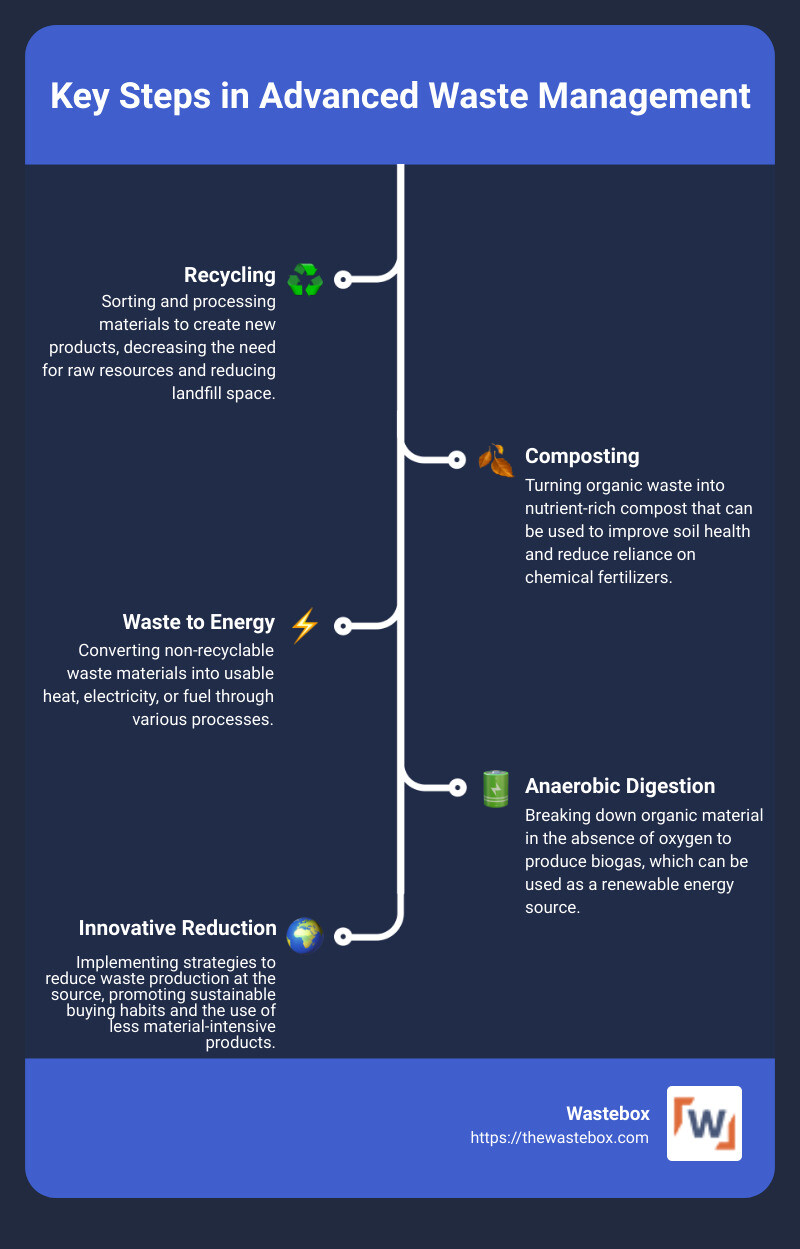
Our focus on eco-friendly approaches ensures that the solutions presented will help mitigate environmental impact while maintaining or even boosting operational efficiency. Stay tuned as we delve into each alternative, providing you the knowledge to make informed decisions for your waste management needs.
Understanding Waste Management
Definitions
Waste management encompasses the collection, transportation, treatment, and disposal of waste. This process also involves monitoring and regulation to manage waste from its inception to its final disposal. It includes the handling of all types of waste: solid, liquid, and gaseous, each with specific methods and fields of expertise.
Importance
Effective waste management is crucial for building sustainable and livable cities. It helps to protect the environment and human health by efficiently handling the waste generated by households, industries, hospitals, and other sectors. Proper waste management not only reduces the waste that ends up in landfills but also recycles resources, conserving raw materials and energy.
Environmental Impact
The environmental impact of waste is significant. Improper disposal can lead to pollution, which affects the air, soil, and water quality. It can also contribute to climate change through the emission of greenhouse gases like methane and carbon dioxide. For instance, decomposing waste in landfills produces methane, a potent greenhouse gas that is far more impactful than CO2 over a short period.
By understanding the fundamental aspects of waste management, we can explore alternative solutions for waste management that not only address waste reduction but also enhance sustainability and environmental protection. These solutions include innovative recycling programs, composting organic waste, converting waste to energy, and using anaerobic digestion to produce renewable energy.
Let’s keep these definitions and impacts in mind. This knowledge will guide our exploration of various waste management strategies that not only aim to manage waste more effectively but also contribute positively to our environment. Stay tuned as we delve deeper into each of these alternatives, equipping you with the knowledge to make informed decisions for your waste management needs.
Alternative Solutions for Waste Management
Recycling: A Cornerstone of Waste Management
Recycling is a fundamental approach to managing waste that involves converting used materials into new products. This process helps reduce the consumption of fresh raw materials, lowers energy usage, reduces air and water pollution, and decreases greenhouse gas emissions. Common materials that can be recycled include:
- Metals like aluminum and steel
- Plastics
- Glass
- Paper and cardboard
The benefits of recycling are significant. For instance, recycling aluminum saves about 95% of the energy required to make the same amount of aluminum from its virgin source. Similarly, recycling paper reduces the need for virgin timber and the associated environmental impact.
Composting: Turning Waste into Resource
Composting is an eco-friendly way to handle organic waste like food scraps, yard trimmings, and paper products. This method involves breaking down organic material into simpler compounds through natural processes, resulting in a nutrient-rich soil additive known as compost.
Composting can be done on both small scales at home and large scales industrially. Industrial-scale composting facilities can handle larger volumes of waste and often use advanced techniques to speed up the decomposition process. The end product is used to improve soil health, reduce chemical fertilizer use, and decrease methane emissions from landfills.
Waste to Energy: Innovation in Waste Management
Waste to Energy (WTE) is a process that involves converting non-recyclable waste materials into usable heat, electricity, or fuel through a variety of processes, including combustion, gasification, pyrolyzation, anaerobic digestion, and landfill gas recovery. This method is particularly beneficial as it helps reduce the volume of waste sent to landfills and generates energy.
However, it’s important to note that WTE technologies can lead to the production of CO2 and other pollutants. Therefore, while they provide significant energy benefits, they must be managed carefully to minimize environmental impacts.
Anaerobic Digestion: Renewable Energy from Waste
Anaerobic digestion is a process that breaks down organic materials in the absence of oxygen, leading to the production of biogas (mainly methane) and digestate, a nutrient-rich substance that can be used as fertilizer. This technology is used to treat wastewater, reduce the emission of landfill gas, and as a renewable energy source.
The process not only helps in waste reduction but also produces energy that can be used to power homes and industries. New advancements in this technology are making it more efficient and widely applicable, providing a promising alternative solution for waste management.
By embracing these alternative solutions for waste management, we can significantly mitigate the environmental impacts traditionally associated with waste disposal. Each method offers unique benefits and, when combined, can form a comprehensive waste management strategy that promotes sustainability and resource conservation. Moving forward, let’s consider how these practices can be integrated into daily life and larger waste management policies to achieve a more sustainable future.
Innovative Waste Reduction Techniques
Reduce: Minimizing Waste Production
Reducing waste starts with our everyday choices. By focusing on buying habits and making sustainable choices, we can significantly lessen our environmental footprint. Here are some simple yet effective strategies:
- Buy Less: Often, the simplest way to reduce waste is not to buy unnecessary items. Before purchasing, ask yourself if it’s something you truly need.
- Choose Quality Over Quantity: Opt for items that are durable and long-lasting, even if they cost a bit more upfront. This reduces the frequency of replacements and, ultimately, the waste generated.
- Digital Products: Whenever possible, choose digital versions of products to avoid physical waste. This includes books, magazines, bills, and receipts.
Reuse: Extending the Life Cycle of Products
Reusing items not only saves money but also reduces the strain on our planet. Here are some creative ways to extend the life cycle of products:
- Upcycling: Transform old items into new, useful products. For example, old jars can become storage containers, and worn-out clothes can be turned into rags or quilts.
- DIY Tips: Engage in DIY projects to repair or enhance items instead of discarding them. There are numerous online tutorials that can teach you how to fix everything from a leaky faucet to a torn shirt.
- Community Sharing: Participate in or start a community sharing program. Tools, books, and even clothes can be shared among community members, reducing the need to buy new items.
Recycle: Closing the Loop
Recycling is a crucial component of waste management. It helps turn materials that would otherwise become waste into valuable resources. Here are some key aspects of effective recycling:
- Collection Methods: Familiarize yourself with your community’s recycling protocols. Some areas offer curbside collection, while others might have designated drop-off points.
- Sorting Challenges: Proper sorting is essential for effective recycling. Learn which materials are recyclable in your area and how to clean and sort them correctly.
- Local Programs: Engage with local recycling programs to understand better what materials are accepted and how they should be prepared. Many communities also offer special recycling days for electronics and hazardous materials.
By integrating these techniques into our daily lives, we can make significant strides in reducing our waste output. Each small action contributes to a larger goal of sustainability and environmental preservation. Let’s continue to explore how we can implement these strategies in our homes and communities to foster a cleaner, greener planet.
Eco-Friendly Household Practices
In our journey towards sustainability, adopting eco-friendly household practices is crucial. These practices not only help in reducing waste but also promote a healthier environment. Let’s dive into some simple yet effective strategies you can start implementing today.
Using Reusable Products
One of the easiest steps towards an eco-friendly household is the use of reusable products.
- Water Bottles: Instead of buying single-use plastic bottles, opt for a reusable water bottle. It’s a simple switch that reduces plastic waste and saves you money in the long run.
- Grocery Bags: Keep a set of reusable grocery bags in your car or by your door. This will help you remember to take them along when you shop, cutting down on the need for plastic bags.
- Containers: For food storage, switch from disposable plastic containers to glass or BPA-free plastic that can be used repeatedly. This not only helps in reducing waste but also keeps your food free from chemicals that can leach from single-use plastics.
Supporting Local and Bulk Purchases
Shopping locally and buying in bulk are excellent strategies for reducing waste and supporting your community.
- Farmers Markets: By shopping at local farmers markets, you support local farmers and reduce the environmental impact associated with long-distance food transport. Plus, local produce is fresher and often uses less packaging.
- Bulk Stores: Purchasing from bulk bins can significantly reduce packaging waste. Remember to bring your own containers to carry everything from grains to spices to laundry detergent.
Digital Alternatives for Paper Reduction
Reducing paper usage is another effective step towards a greener home. Digital alternatives can help minimize your paper trail significantly.
- E-bills and E-receipts: Opt for electronic bills and receipts to cut down on paper use. This not only helps the environment but also keeps your home less cluttered.
- Digital Subscriptions: Switch to digital magazine and newspaper subscriptions. It’s often cheaper and you can read your favorite publications from anywhere on your digital devices.
By integrating these eco-friendly practices into your daily life, you are contributing to a sustainable future while also enjoying a cleaner, more organized home. These simple changes are easy to implement but can have a profound impact on reducing your ecological footprint. Let’s keep this momentum going as we explore more ways to manage waste effectively with alternative solutions for waste management.
Waste Management Solutions from Wastebox
Wastebox is dedicated to offering innovative and eco-friendly waste management solutions that not only meet the needs of today’s waste challenges but also contribute positively to the community and ensure high customer satisfaction. Let’s delve into how Wastebox is making a significant impact through its services, community involvement, and commitment to customer satisfaction.
Wastebox Services
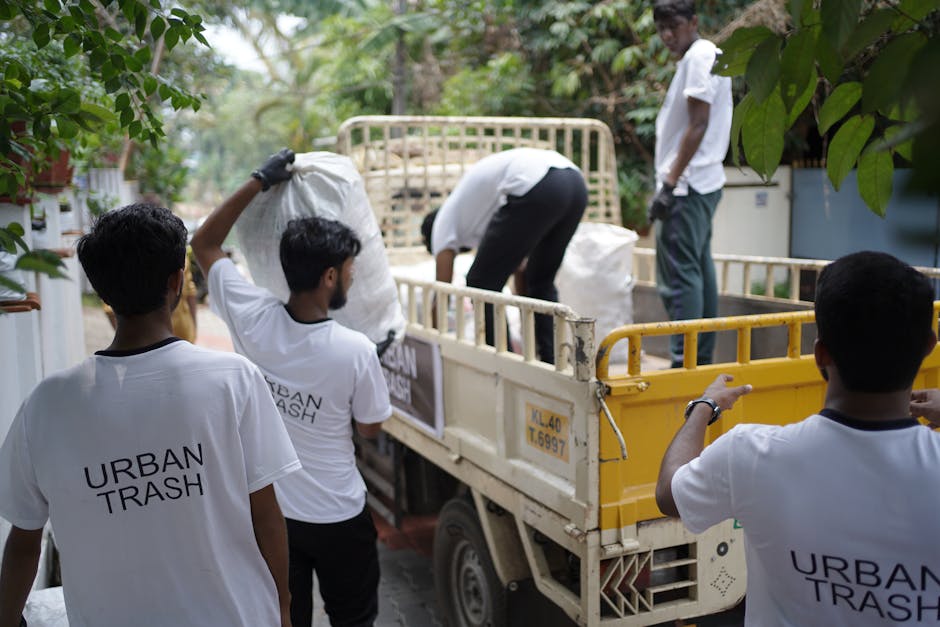
Wastebox provides a comprehensive range of waste management services tailored to various needs, from residential cleanups to large industrial projects. Our services include:
- Roll-off Dumpsters: Available in various sizes, these dumpsters are perfect for both small renovations and large construction waste needs. They are delivered and picked up promptly, ensuring your project area remains clean and organized.
- Solid Waste Pickup: Regularly scheduled or on-demand, our solid waste pickup services are reliable and adaptable to your specific requirements.
- Bulk Refuse Hauling: We handle large and difficult-to-dispose items, ensuring that even the most challenging waste materials are managed responsibly.
- Emergency Response: Wastebox is always ready to respond in times of unexpected emergencies, providing rapid debris cleanup and other essential services.
Community Impact
At Wastebox, we believe in giving back to the community. We actively engage in local initiatives and partner with other organizations to promote environmental sustainability. Here are a few ways we make a difference:
- Supporting Local Cleanups: Wastebox partners with local agencies to conduct cleanups after natural disasters or community events, helping to restore and maintain the beauty of our neighborhoods.
- Educational Programs: We invest in educational programs that teach the importance of recycling and proper waste management, empowering residents to make environmentally conscious decisions.
Customer Satisfaction
Our commitment to customer satisfaction is at the core of everything we do. Here’s how we ensure our customers are always happy:
- Customizable Services: We understand that every customer has unique needs. Our services are highly customizable, ensuring that each client receives the most efficient solution for their waste management challenges.
- Reliable and Timely Service: We pride ourselves on the reliability and timeliness of our services. Our fleet of vehicles is well-maintained and ready to serve, ensuring that we meet your expectations every time.
- Customer Support: Our dedicated customer service team is always ready to assist with any inquiries or issues, ensuring a smooth and satisfactory experience.
By choosing Wastebox, you’re not just opting for a service provider; you’re partnering with a company that cares about the environment, the community, and the satisfaction of its customers. Let’s continue to explore more ways to manage waste effectively with alternative solutions for waste management.
Conclusion
As we wrap up our exploration of alternative solutions for waste management, it’s clear that the pathway to a sustainable future involves more than just individual action. It requires collective efforts, innovative thinking, and a deep commitment to changing our relationship with waste. At Wastebox, we are dedicated to leading this change by providing services that not only manage waste effectively but also contribute positively to our communities and the environment.
Engage with Local Waste Management Initiatives
We encourage everyone to get involved in local waste management initiatives. Whether it’s participating in community clean-up days, contributing to recycling programs, or attending workshops on sustainable practices, every action counts. Wastebox is proud to support these community programs, providing resources and expertise to ensure their success. By working together, we can make a significant impact on our local environments.
Educate and Advocate for Waste Reduction
Education is a powerful tool in the fight against waste. Wastebox is committed to fostering awareness through workshops and providing online resources that are accessible to all. We aim to empower individuals and communities with the knowledge to make informed decisions about waste management. Advocating for better practices and policies is also crucial, and we support efforts to push for changes that will lead to more sustainable waste management systems.
Plan for a Sustainable Household
Planning for a sustainable household is an essential step towards reducing waste. This includes adopting long-term strategies such as minimizing waste production, reusing materials, and recycling effectively. Wastebox offers guidance and support to help you implement these strategies, ensuring that your home is not only eco-friendly but also a model for sustainable living in your community.
By choosing to work with Wastebox, you are not just selecting a waste management service; you are partnering with a leader in sustainability that is committed to delivering exceptional solutions and fostering a cleaner, greener future. Let us join hands and continue to push the boundaries of what’s possible in waste management.
Explore our services and see how we can help you manage waste more effectively. Discover Wastebox Services.
Together, we can create a sustainable legacy that will benefit generations to come. Let’s make waste management a cornerstone of our environmental stewardship.