
If you’re looking for bold solutions in the realm of creative waste management technologies and solutions, here’s a quick glimpse into the future. With rising urban populations and burgeoning consumer habits, managing municipal solid waste efficiently has become more crucial than ever. We’re seeing remarkable leaps with technologies such as AI, IoT, and robotics which are making trash disposal not just manageable but remarkably innovative.
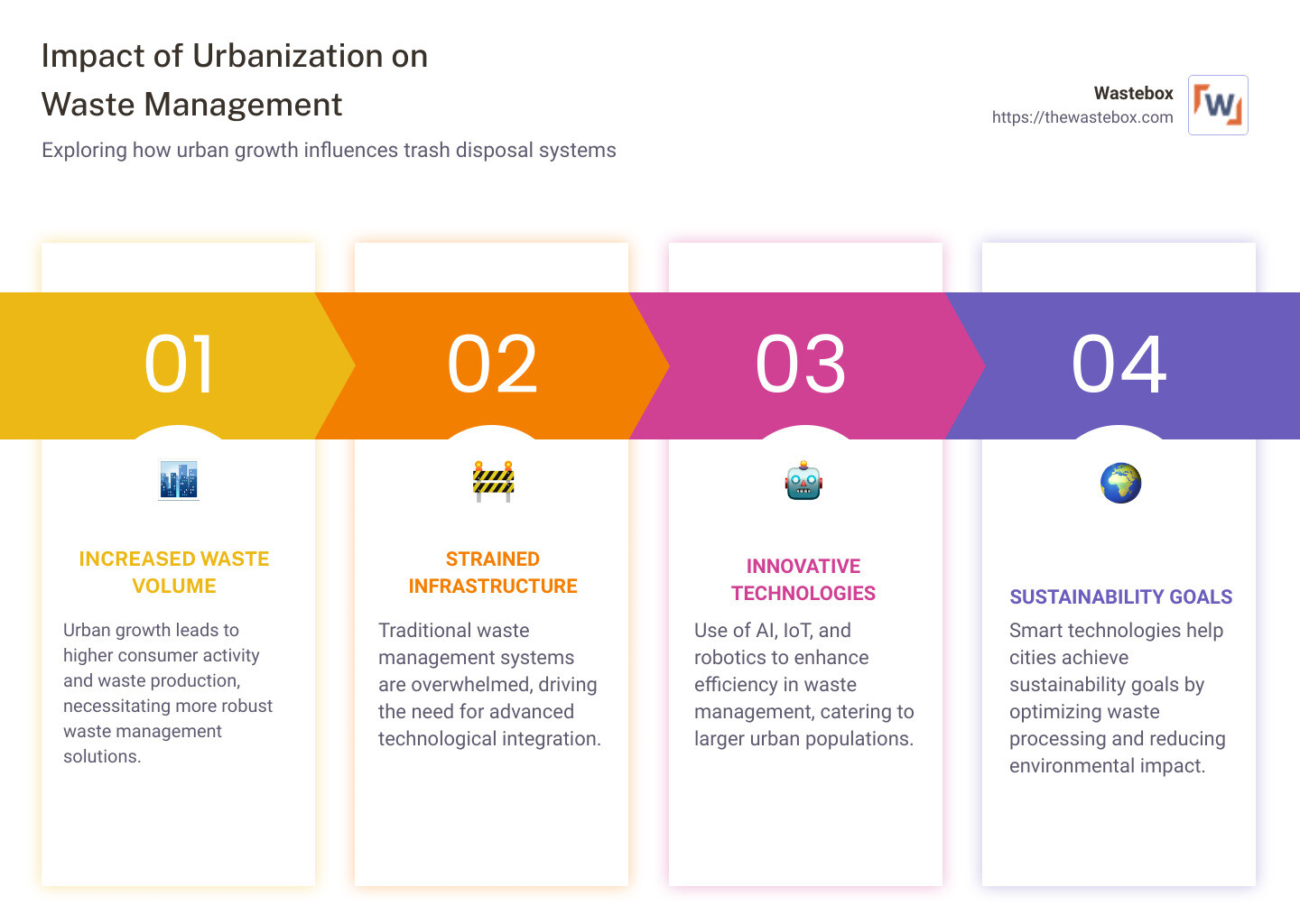
Urbanization, a thriving consumer culture, and rapid population growth are exerting unprecedented pressure on traditional waste management systems. Cities are swelling, shopping habits are intensifying, and the amount we consume and discard is soaring. This escalates the need for solutions in waste management to keep our urban spaces clean, functional, and sustainable.
These challenges demand a shift from conventional methods to more advanced and creative strategies. The integration of technology in waste management isn’t just an option; it’s becoming an indispensable part of our approach to dealing with waste. Innovative tools and automated systems are now at the forefront of tackling the immense waste generated daily in our bustling cities.
Creative Waste Management Technologies and Solutions
Smart Waste Bins
AI-based object recognition and fill-level sensors are reshaping how we handle waste. Companies like Bin-e have developed smart bins that use AI to identify and sort recyclables automatically. This not only ensures proper recycling practices but also reduces contamination and increases recycling rates. The bins can detect when they are full, which helps in optimizing collection schedules.
Waste Level Sensors
These sensors are crucial for real-time monitoring and data optimization. Installed in bins, they provide live updates on the fill level, allowing waste management services to plan more efficient collection routes. This technology not only minimizes unnecessary pick-ups but also reduces fuel consumption and emissions, contributing to a more sustainable environment.
AI Recycling Robots
Robots equipped with AI are transforming material sorting processes by enhancing efficiency and reducing human labor. These robots use advanced sensors and machine learning algorithms to accurately sort through waste, separating recyclables from non-recyclables. Their precision reduces contamination and improves the quality of materials sent for recycling, making the recycling process more effective.
Garbage Truck Weighing Mechanisms
Integrating predictive analytics and route optimization, these mechanisms installed in garbage trucks help in predicting the fill levels of trash bins. AI uses this data to determine the most efficient collection routes, considering factors like traffic and bin location. This not only streamlines operations but also maximizes fuel efficiency and reduces operational costs.
Pneumatic Waste Pipes
Underground systems for waste transport offer an efficient transport solution that minimizes environmental impact. These systems use high-pressure air to move waste quickly and silently through underground pipes to collection facilities. This method reduces the need for on-road waste collection vehicles, decreasing traffic congestion and pollution.
By leveraging technologies such as AI, IoT, and advanced sensors, these creative waste management technologies and solutions are setting the stage for smarter, more efficient, and environmentally friendly waste management practices. As we continue to innovate, these technologies will play a pivotal role in transforming how cities manage waste, making urban areas cleaner and more sustainable.
Innovative Approaches to Waste Management
Solar-Powered Trash Compactors
Solar-powered trash compactors are a shining example of how renewable energy can be harnessed to enhance waste management practices. These compactors use solar panels to generate electricity, which powers the mechanism to compress waste. This technology increases the capacity of trash bins, allowing them to hold up to five times more waste than traditional bins. The key benefits here are twofold:
- Increased capacity: Less frequent need for emptying, which reduces collection trips and saves on fuel consumption.
- Energy efficiency: Utilizes abundant solar energy, reducing reliance on fossil fuels and lowering carbon emissions.
These compactors are especially beneficial in urban areas where space is limited and in remote locations where access to power may be restricted.
E-Waste Kiosks
E-waste kiosks serve as a modern solution to the growing problem of electronic waste. These kiosks are designed to accept items like old smartphones, laptops, and batteries. Here’s why they are revolutionary:
- Recycling incentives: Some kiosks offer monetary rewards or vouchers in exchange for e-waste, motivating more people to recycle their old electronics.
- Proper disposal: Ensures hazardous materials found in electronic devices are handled safely, preventing them from contaminating the environment.
These kiosks not only facilitate easy recycling but also educate the public about the importance of proper e-waste disposal.
Recycling Apps
Recycling apps have transformed the way individuals approach recycling. By providing detailed information on what can be recycled and where, these apps enhance user engagement and improve recycling rates. Features typically include:
- User engagement: Interactive interfaces that make recycling information accessible and understandable.
- Material identification: Some apps use barcode scanning to instantly tell users if an item is recyclable and the nearest facility that will accept it.
These apps empower users to make informed decisions, thus increasing the efficiency of recycling processes and reducing the amount of waste that ends up in landfills.
By integrating solar power, focusing on e-waste, and leveraging mobile applications, these innovative approaches not only make waste management more efficient but also more accessible and environmentally friendly. As technology continues to evolve, so too will our ability to manage waste more effectively, paving the way for a cleaner, greener future.
The Role of Data in Waste Management
Data is reshaping how we manage waste, turning traditional methods on their heads and offering new ways to enhance efficiency and sustainability.
Data Analytics
Data analytics in waste management translates vast amounts of raw data into actionable insights. By analyzing trends and patterns, waste management companies can make informed decisions that lead to more efficient operations.
Predictive modeling is a game changer. It uses historical data to forecast future waste generation, helping to optimize collection schedules and routes. This not only saves on operational costs but also reduces the carbon footprint of waste collection vehicles.
Pattern recognition plays a crucial role in identifying the types of waste that are most commonly produced in certain areas. This allows for more targeted recycling programs and can inform public awareness campaigns, focusing efforts where they are most needed.
Resource allocation becomes more scientific with data analytics. Instead of guessing where resources might be needed, data provides a clear picture, ensuring that manpower, recycling bins, and other resources are distributed optimally.
IoT and Smart Devices
The integration of IoT (Internet of Things) devices in waste management has revolutionized how waste is collected and managed. Smart devices provide a continuous stream of data that is critical for real-time decision-making.
Networked bins equipped with sensors can communicate their status to central waste management systems. These bins can report when they are full, reducing the frequency of unnecessary collection trips and thus minimizing fuel use and emissions.
Coordinated systems enhance the efficiency of the entire waste management process. By connecting bins, trucks, and disposal facilities through a unified network, waste management companies can streamline operations and react more swiftly to any issues that arise, such as bin overflows or operational disruptions.
By leveraging data analytics and IoT technologies, waste management becomes not just a service but a smart, interconnected ecosystem that is more responsive and efficient. This approach not only meets the current needs of urban sanitation but also sets a sustainable pathway for future waste management practices. As we continue to innovate, the role of data will only grow, making waste management smarter and more adaptable to the changing needs of our cities.
Frequently Asked Questions about Creative Waste Management Technologies and Solutions
What are the latest innovations in waste management technology?
The latest innovations in waste management technology are transforming the industry. Here are a few standout technologies:
- Smart Waste Bins: These bins use AI to recognize and sort waste automatically. They are equipped with fill-level sensors to optimize collection schedules.
- AI Recycling Robots: These robots use artificial intelligence to sort recyclable materials more efficiently and accurately, reducing the need for human labor.
- Pneumatic Waste Pipes: This system transports waste through underground pipes to collection points, greatly reducing the need for traditional garbage truck pickups.
- Garbage Truck Weighing Mechanisms: Integrated weighing systems in trucks help in optimizing routes and collection schedules based on real-time data about waste bin fill levels.
How do smart waste management systems contribute to environmental sustainability?
Smart waste management systems play a crucial role in enhancing environmental sustainability by:
- Reducing Emissions: Optimized routes and schedules mean fewer trips for collection trucks, which leads to lower emissions.
- Decreasing Landfill Waste: Enhanced sorting and recycling capabilities ensure more materials are reused, reducing the amount of waste going to landfills.
- Conserving Resources: By efficiently sorting and recycling, these systems help conserve natural resources by turning waste into valuable materials instead of consuming new raw materials.
What are the economic benefits of adopting advanced waste management solutions?
Adopting advanced waste management solutions offers significant economic benefits:
- Cost Efficiency: Smart technologies reduce operational costs by optimizing collection routes and schedules, thus saving on fuel and labor costs.
- Increased Recycling Revenues: Improved sorting technologies enhance the quality of recyclables, potentially increasing the revenue from selling these materials.
- Long-term Savings: Reducing the amount of waste sent to landfills can result in lower landfill fees and extend the lifespan of existing landfill sites.
By integrating creative waste management technologies and solutions, cities and businesses can achieve a more sustainable, efficient, and economically viable waste management system. These innovations not only address current waste management challenges but also pave the way for a cleaner, more sustainable future.
Conclusion
As we look to the future, the trajectory of waste management is clearly steering towards more innovative and sustainable solutions. Technological advancements are set to continue revolutionizing the way we handle waste, making the process more efficient and less impactful on the environment.
Future Trends in Waste Management
– Increased Automation: The future of waste management will see a greater reliance on automation. Technologies such as AI, IoT, and advanced robotics will play crucial roles in sorting, collecting, and recycling waste with minimal human intervention.
– Enhanced Sustainability: There will be a stronger focus on developing technologies that not only manage waste but do so in a way that contributes to environmental sustainability. This includes the conversion of waste to energy and the use of materials that are fully recyclable.
– Smart Systems Integration: Future waste management systems will be increasingly integrated. Smart bins, IoT devices, and data analytics will work together to create a seamless flow of information that enhances decision-making and operational efficiency.
Wastebox’s Role in Advancing Waste Management Solutions in Memphis, TN
At Wastebox, we are committed to being at the forefront of these innovations. Our role in advancing waste management solutions in Memphis is multifaceted:
– Implementing Advanced Technologies: We are integrating more sophisticated technologies like AI and IoT to improve the efficiency and effectiveness of our waste collection and recycling services. This not only helps in managing waste more effectively but also in reducing the environmental impact.
– Educational Initiatives: We believe in the power of education to foster a more sustainable future. Wastebox is actively involved in community outreach programs to educate the public about the importance of waste segregation and recycling.
– Partnerships for Innovation: We collaborate with technology developers and environmental experts to bring the latest waste management solutions to our operations. This helps us stay ahead of industry trends and meet the evolving needs of our community.
By embracing these innovative waste management solutions, Wastebox is not just handling waste; we are transforming it into a resource that benefits the community and the environment. Our efforts in Memphis are just the beginning. We aim to expand these practices, setting a benchmark for waste management across regions.
As we continue to navigate the challenges and opportunities of waste management, Wastebox remains dedicated to enhancing the quality of life in Memphis through innovative and sustainable practices. We invite you to learn more about our services and how we are making a difference in waste management by visiting our services page.
Together, we can look forward to a cleaner, greener, and more sustainable tomorrow.