
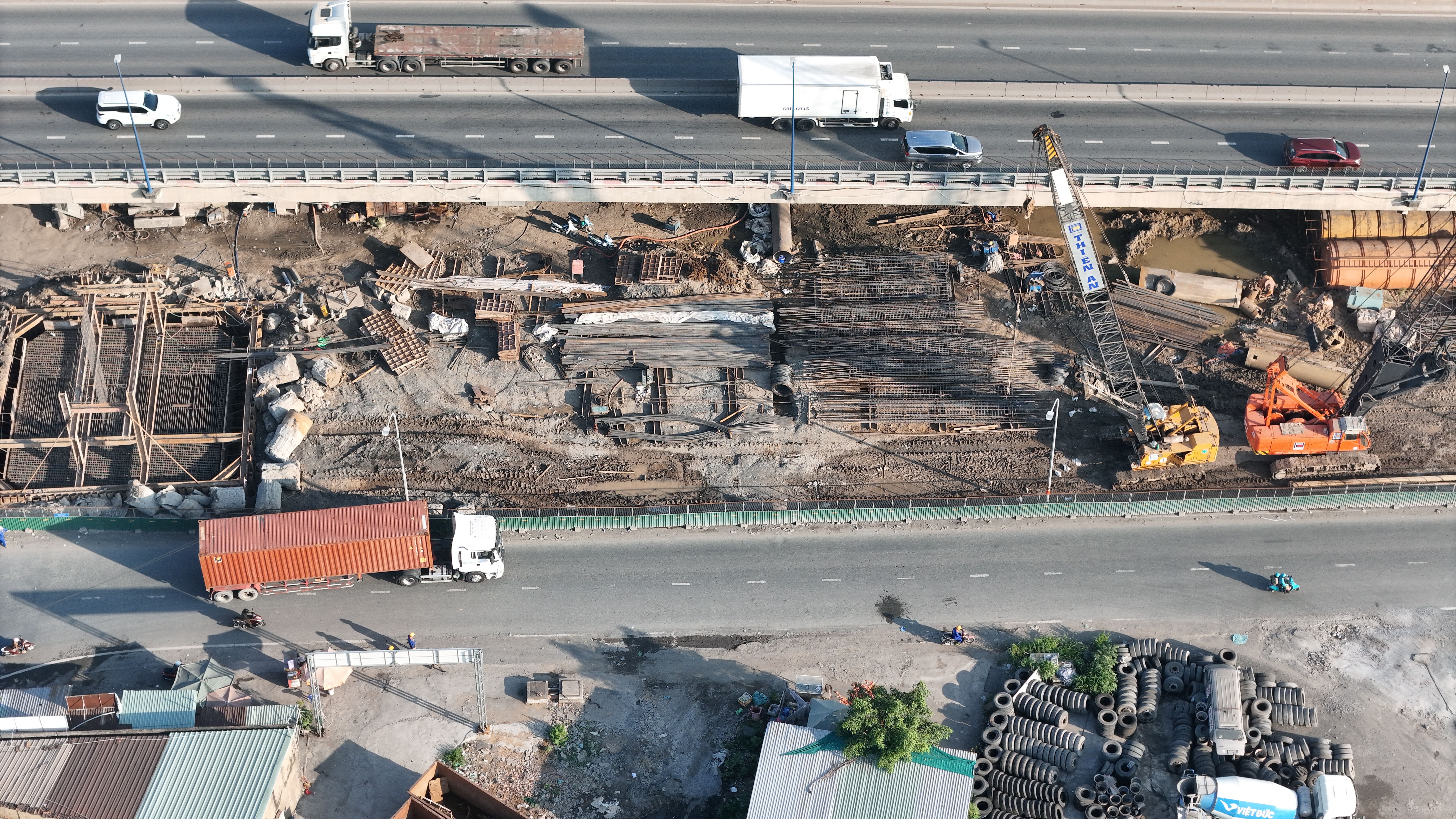
It doesn’t take much. The wrong move on a jobsite can cost you: in time, money, and headaches you didn’t plan for. One of the most overlooked culprits is improper waste disposal. Loading the wrong materials into a dumpster can trigger contamination fees, rejected loads, and compliance issues before you even realize there’s a problem. What can you put in a dumpster on a construction site in Memphis, then, is an important question. We’re here today to provide answers, before your next project gets underway.
Commonly Accepted Materials
The good news is, most standard construction and demolition (C&D) debris is fair game. Start with this list of commonly accepted materials:
- Wood, drywall, and flooring materials: Framing lumber, subfloor, tile, hardwood, and carpet are generally accepted in most construction dumpsters.
- Roofing shingles and siding: Whether you’re tearing off an old roof or replacing exterior panels, these materials typically load and haul without issue.
- Concrete, brick, and asphalt: These heavy materials may require a specific dumpster type, so confirm with your provider before loading.
- General C&D debris: Miscellaneous job waste like insulation, metal scraps, and packaging materials usually qualifies.
When in doubt, ask. A reputable dumpster rental Memphis provider should always be able to give you a clear idea of what’s accepted before the dumpster hits your jobsite.
What You Can’t Put in a Dumpster
What can you put in a dumpster? An important question as we already said. An equally important question is “What can’t you put in a dumpster?” Here’s a list of items typically prohibited from standard construction dumpsters:
- Hazardous materials: Chemicals, paints, solvents, and similar substances require separate, specialized disposal. Tossing them in a standard dumpster is both a regulatory violation and a liability.
- Tires, batteries, and certain electronics: These items contain materials that can’t go to a standard landfill and must be handled through appropriate recycling or disposal channels.
- Refrigerators or appliances with refrigerants: These require certified handling to capture refrigerant gases before disposal.
- Liquids or flammable materials: No liquids of any kind belong in a construction dumpster, and flammable materials present serious safety risks.
Memphis-Specific Considerations Contractors Should Know
Memphis has its own set of local landfill and disposal regulations that can affect which materials are accepted and how they need to be handled. Certain items may require special processing or separate disposal entirely.
This is why working with a local provider matters. A Memphis-based team understands the regional requirements, the local landfill rules, and the best practices for keeping your project compliant from start to finish.
How Improper Disposal Increases Construction Waste Removal Cost
Here’s where things get expensive. Ignoring the rules around what can and can’t go in a construction dumpster doesn’t just create compliance risk; it directly drives up your construction waste removal cost. Here’s how:
- Contamination fees and rejected loads: If prohibited materials are found in your dumpster, the entire load may be rejected or subject to steep surcharges.
- Delays from sorting or reloading: A rejected load means rescheduling, re-sorting, and re-hauling. That’s lost time your project can’t afford.
- Overweight charges: Improperly loaded dumpsters, especially those packed with heavy materials like concrete or brick in a mixed-debris container, can trigger overweight fees that add up fast.
Cutting corners on disposal rarely saves money. It almost always increases your total construction waste removal cost.
Tips to Stay Compliant and Keep Projects on Schedule
A little planning goes a long way. Keep these best practices in mind:
- Separate materials when possible: Designating areas for different debris types makes loading cleaner and more efficient.
- Communicate dumpster guidelines with crews: Everyone on the jobsite should know what can and can’t go in the dumpster.
- Choose the right dumpster for the job: A heavy materials dumpster for concrete, a mixed debris dumpster for general C&D waste. Matching the container to the project matters.
- Schedule pickups strategically: Don’t let a full dumpster become a bottleneck. Plan haul-off timing around your project milestones.
When to Call Wastebox
Some situations call for a conversation before you ever schedule a drop-off. Reach out to Wastebox when:
- You’re unsure what materials your project will generate and need guidance on what you can and can’t put in a dumpster
- You want to avoid overage fees, contamination charges, or rejected loads
- You need expert advice on the right dumpster size, type, and pickup schedule for your specific job
So What Can You Put in a Dumpster on a Construction Site in Memphis?
Again, when in doubt, ask: before the dumpster hits your jobsite. A reputable dumpster rental Memphis provider should always be able to give you a clear idea of what’s accepted and what isn’t.
Wastebox is Memphis’s trusted partner for construction dumpster rental, with local knowledge, transparent pricing, and a team that keeps your project compliant from day one. To ensure your jobsite stays compliant and on budget, contact Wastebox today.